
Rewiring Your Brain for Better Sleep and Stress Resilience: How BrainTap is Changing the Menopause Mindset
Subheader:
Menopause brings profound changes to a woman’s body, mind, and daily rhythm. When traditional solutions fall short, innovative technologies like BrainTap provide a new pathway to resilience, clarity, and deep, restorative sleep.
The Modern Brain: Outpaced by Technology and Stress
Our brains, as Dr. Patrick Porter shares on the Menopause Mastery Podcast, were never designed for the complexity and constant stimulation of today’s world. Decades ago, screens were rare; now, they’re our ever-present companions. This rapid advancement—what Dr. Porter calls the “fourth T” of biological disruption alongside thoughts, traumas, and toxins—creates a technology problem for our nervous system. Chronic stress, poor sleep, and the whirlwind of modern life mean our brains and bodies often operate from a place of overwhelm.
The result? Many women headed into menopause (and their practitioners) focus almost exclusively on hormones, symptoms, and biological fixes, overlooking the central role of the brain and nervous system in achieving true wellness.
Understanding Brain Priming: The Missing Link in Menopause Wellbeing
For many, menopause marks a storm of symptoms—disturbed sleep, anxiety, memory lapses, hot flashes—often tangled with feelings of frustration or even shame. According to Dr. Patrick Porter, the origin story of BrainTap began with a simple but radical belief: that regulating the brain’s activity directly influences our experience of pain, stress, and even hormonal transitions.
Think of your brain as the operating system for your whole body. If you’re locked in a pattern of worry, self-criticism, or dread, your body’s stress response stays switched on. This “sympathetic syndrome” leads to a cascade of stress chemicals, disrupted sleep, and a feeling of being perpetually on edge. Crucially, Dr. Patrick Porter explains, it’s not just about calming down—it’s about teaching your nervous system how to find balance and resilience again.
Why Affirmations Alone Aren’t Enough
It’s tempting to believe that simply reciting positive affirmations—“I am calm,” “I am strong,” “Menopause is easy for me”—can shift your brain’s wiring. But Dr. Patrick Porter cautions that if your inner voice disagrees (“That’s nonsense!”), the result is more like “putting icing on a turd.” The brain simply won’t accept a statement that feels untrue at its core.
What works? Asking powerful, imaginative questions:
“What would life be like if my menopause symptoms faded away? How would I feel? How would I show up in my work, relationships, and self-care?”
This approach, rooted in brain science and neuro-linguistic programming (NLP), prompts the mind to search for new pathways, shifting focus from problems to potential and creating space for true change.
The Power of Rituals and Neuroplasticity
Resilience isn’t built by grand gestures—it’s crafted by daily micro-rituals.
Dr. Patrick Porter highlights how simple repeated actions—drinking mineral-rich water in the morning, moving your body, pausing for mindful rest—send powerful signals to the brain, keeping it sharp, adaptable, and “primed” for whatever challenges arise.
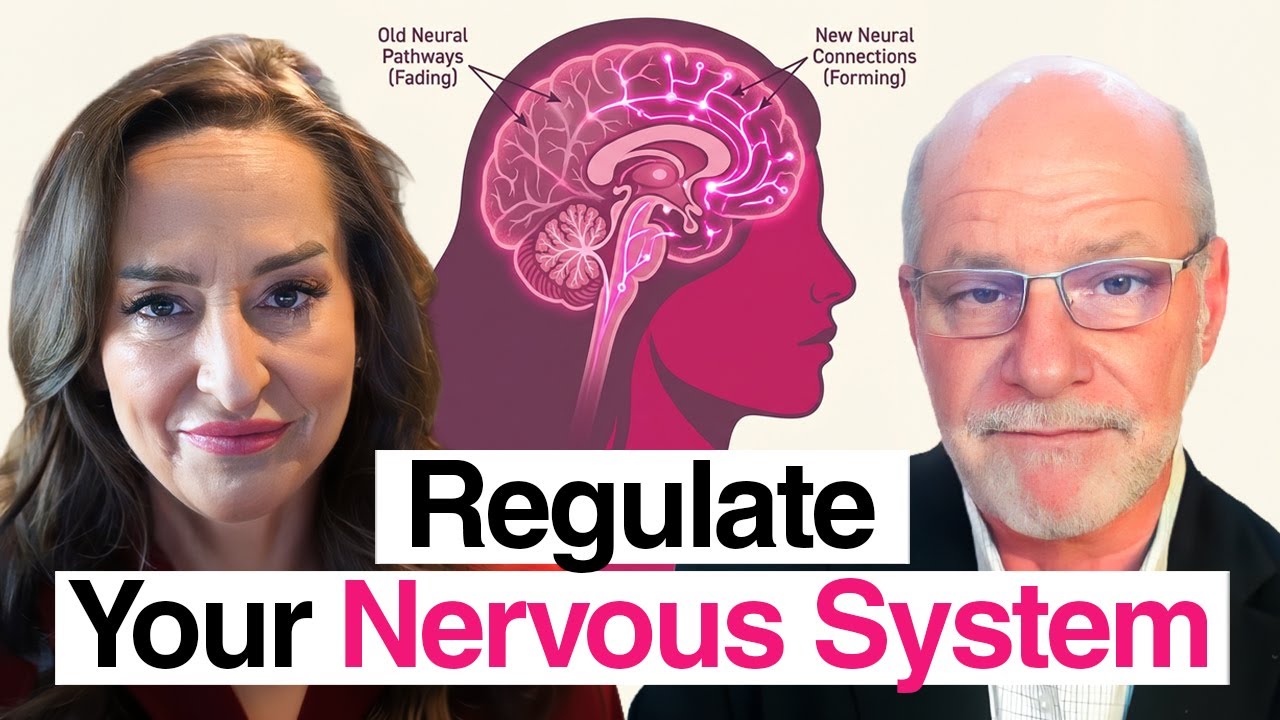
These rituals support neuroplasticity, the brain’s capacity to rewire itself at any age. Importantly, as we age, our brain’s “voltage” naturally decreases, making it harder to adapt. The right routines replenish that energy, supporting focus, memory, and restful sleep—even in the face of hormonal change.
How BrainTap Works: Light, Sound, and the Science of Frequency
So, what makes BrainTap unique?
It’s a headset and app that uses light, sound, and gentle vibration to “entrain” the brain into healing frequencies—think of it like a musical conductor guiding an orchestra into perfect harmony. Just as a flickering fire or drumbeat brought ancient tribes into a restful, communal connection at the end of the day, BrainTap synchronizes core brainwaves associated with deep relaxation, creativity, and rejuvenation.
Research cited by Dr. Patrick Porter (and supported by major institutions like the NIH and MIT) shows that our biofield—a field of electromagnetic energy around the body—responds dramatically to these cues. When we’re anxious, our cells emit less radiant light; when we perceive stress as a challenge (not a threat), we light up from within.
Even a brief, 20-minute BrainTap session can help “prime” the mind, downshift stress, encourage restorative sleep, and nudge the whole system back into coherence.
Sleep, Stress, and the Changing Menopausal Brain
Menopause literally rewires the brain. As Dr. Betty Murray discusses, hormonal fluctuations—especially the loss of estrogen—accelerate neural pruning, affecting mood, memory, and even mitochondrial health. While restoring hormones is powerful, it’s not the whole picture.
Two core factors make the biggest difference for women at midlife:
- Deep Sleep: The brain’s nightly clean-up (via the “glial lymphatic system”) only happens in deep sleep. Poor sleep blocks hormonal balance, memory, and detoxification.
- Stress Resilience: True health is not the absence of stress—it’s the ability to recover quickly. BrainTap users regularly report improved sleep and a greater sense of calm, even amid the inevitable challenges of modern life.
Maximizing Your Midlife: Micro-Rituals, Mindset, and the Family Effect
So, how can menopause become a springboard for reinvention rather than a source of dread? Start by stacking the deck in your favor:
- Create a Morning Ritual: Hydrate, move, and set intentions for the day before you reach for caffeine or dive into screens.
- Reclaim Rest: Schedule “brain breaks” in the afternoon when your body naturally craves rest—just like our ancestors did on the Serengeti.
- Embrace Recovery: Prioritize restorative practices (like BrainTap, meditation, or walks in nature) over endless to-do lists. Remember, self-care isn’t selfish.
- Notice Your Tribe: Family and friends influence your nervous system. Share wellness rituals and tools—like BrainTap—so everyone benefits.
- Don’t Go It Alone: Reach out for support, coaching, or community. AsDr. Patrick Porter
puts it, “we only rise together.”
The Takeaway: Infinite Possibilities for the Menopausal Mind
Menopause doesn’t have to be a story of inevitable decline. With the right tools—addressing brain, body, and spirit—you have the power to rewrite your future. Innovation like BrainTap, backed by both ancient wisdom and modern science, can help you unlock restorative sleep, stress resilience, and vibrant health from the inside out.
Remember: It’s never about perfection. Small, daily adjustments—done with intention and compassion—will transform not just how you survive menopause, but how you thrive throughout your next chapter.