Navigating Breast Implant Choices: Insights from the Menopause Mastery Podcast
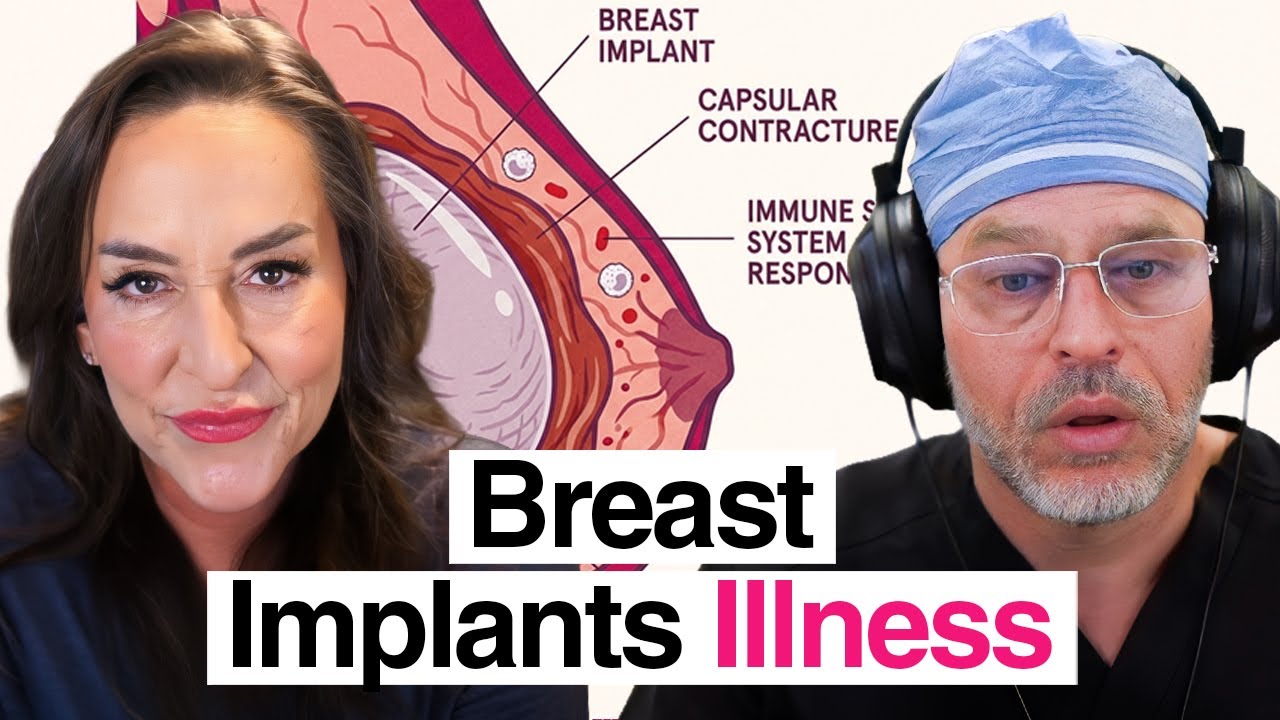
Breast implants are a common cosmetic choice, particularly for women in midlife seeking recovery after breast cancer or simply looking to enhance their bodies. Yet, as discussed by Dr. Betty Murray and Dr. Robert Whitfield on the Menopause Mastery Podcast, the journey is far more complex than picking an implant and going under the knife. Many women experience difficult challenges post-implantation, including breast implant illness, chronic inflammation, and troublesome healing. Why does this happen to some, but not others? Let’s explore the landscape of breast implant illness, how genetics play a surprising role, and why a strategic, holistic approach to surgical preparation is key.
Breast Implant Illness: A Real and Underrecognized Issue
While most women know about the risks of breast cancer and routine breast augmentation, breast implant illness is lesser known. This constellation of symptoms can range from chronic fatigue and joint pain to persistent inflammation and even autoimmune issues. As Dr. Robert Whitfield points out, about 83% of his audited patients exhibit genetic SNPs (Single Nucleotide Polymorphisms) in multiple detoxification pathways, making them far less able to process and eliminate toxins that may accumulate around the implant.
Many patients ask: “Can I have implants and be fine?” The answer depends on their body’s ability to detoxify. When detoxification is compromised—through poor genetics or environmental exposures—chronic inflammatory problems arise, and breast implant illness can become a reality.
The Hidden Role of Genetics in Surgical Outcomes
Your genetic makeup dictates much of your body’s capacity to heal, detoxify, and respond to foreign materials such as breast implants. As discussed on the podcast, SNPs in critical pathways—like glucuronidation, methylation, antioxidant production, and vitamin D metabolism—can dramatically impact how your body manages toxins, repairs tissues, and mounts an immune response.
Functional genetic testing is now a mainstay in the surgical workup, helping to identify the risk for not just breast implant illness, but other chronic inflammatory problems. If your body struggles with detoxification, you’re more likely to develop complications from foreign materials, mold exposure, or even dietary toxins. Understanding your genetic landscape can help you prepare for surgery and customize recovery strategies, setting realistic expectations for outcomes.
Beyond Implants: The Promise and Complexity of Fat Transfer
Many women seeking explant surgery (implant removal) worry about compromised aesthetics. Fortunately, Dr. Robert Whitfield is pioneering simultaneous fat transfer—taking your own body fat and replacing lost breast volume in the most natural way possible. This autologous transplant works best when patients are properly prepared: adequate body fat is essential, and patients must be metabolically and emotionally ready.
Preoperative preparation includes DEXA scans to determine fat distribution, functional lab testing for toxins, and even assessments for mold and gut health. Why? Toxins accumulate in fat, and transferring contaminated fat can undermine healing and increase complications. That’s why a holistic approach, including toxin clearance and gut balancing, is critical.
Preparing for Surgery: The SHARP Method
The “Strategic Holistic Accelerated Recovery Program” (SHARP Method) is a revolutionary protocol for surgical preparation developed by Dr. Robert Whitfield. It’s not just about running basic blood work or checking for anemia; it’s about combining genetic insights, toxicity screening, gut health, hormone balance, and more to create a tailored surgical plan.
A typical workup includes:
- Genetic testing for detox pathways and inflammation risk.
- Toxin screening (mycotoxins, environmental exposures).
- Gut health analysis for hidden infections or dysbiosis.
- Hormone panel, especially for menopausal and perimenopausal women, as hormone status affects tissue healing, collagen, and elastin production.
This level of preparation helps ensure that patients aren’t just physically ready, but have the biochemical foundation to recover—whether from breast explant, fat transfer, plastic surgery, or even orthopedic procedures.
The Importance of Recovery: Strategies that Work
Postoperative recovery isn’t one-size-fits-all. The environmental, behavioral, and emotional factors all play a role. Stack small changes—improved sleep, nutrition, hydration, and stress reduction—to see dramatic improvements.
Key recovery strategies include:
- Hyperbaric Oxygen Therapy: Enhances tissue oxygenation, speeds healing, and lowers infection risk.
- Red Light Therapy and Lymphatic Massage: Reduce inflammation, support circulation, and decrease post-surgical swelling.
- Maintaining BMI: Keeping your body weight stable after fat transfer is essential. Rapid weight loss—especially from GLP-1 drugs like Ozempic—can cause loss of transplanted fat and premature aging (facial fat atrophy is particularly difficult to fix).
- Avoiding High-Intensity Exercise: To maintain fat transfer results, focus on strength and muscle-building activities rather than interval training or excessive cardio.
Breast Implants, the Immune Response, and Scar Tissue
A groundbreaking insight discussed by Dr. Betty Murray is that the scar tissue capsule formed around breast implants can act much like an organ rejection. It initiates both T-cell (innate immunity) and B-cell (adaptive immunity) responses, leading to ongoing inflammation. PCR studies reveal that 29% of explanted scar tissues show bacterial contamination—meaning the problem isn’t just about the implant, but the persistent immune activation from foreign material and infected biofilm.
Complete capsulectomy (removal of the scar tissue) is thus essential. Leaving the capsule in place perpetuates immune activation and chronic symptoms, highlighting why a thorough surgical approach matters.
Personalized Medicine: The Future of Surgical Outcomes
Ultimately, breast implant illness, surgical recovery, and cosmetic outcomes are highly personal. Genetics, environment, and behavior all influence individual risk and healing capacity. Technologies like the Minerva Platform are pushing patient-centered medical care forward, democratizing health data and helping women make informed decisions.
As the podcast emphasizes, every woman’s journey—with implants, explants, fat transfer, or any surgery—is unique. Armed with knowledge, comprehensive preparation, and tailored recovery strategies, you can maximize your outcomes, minimize complications, and embrace the next phase of life with confidence.
Ready to Learn More?
For a deeper dive into breast implant illness, surgical preparation, and individualized recovery, check out the SHARP Method book and Subscribe to my YouTube Channel Dr. Betty Murray. Your health, your choices, and your results matter—so take the time to understand your body, your risks, and your pathway to healing.