How Neuroplasticity Can Help Women Reverse Chronic Fatigue, Pain, and Anxiety in Perimenopause
Understanding the Mind-Body Reset for Greater Health Through a Critical Transition
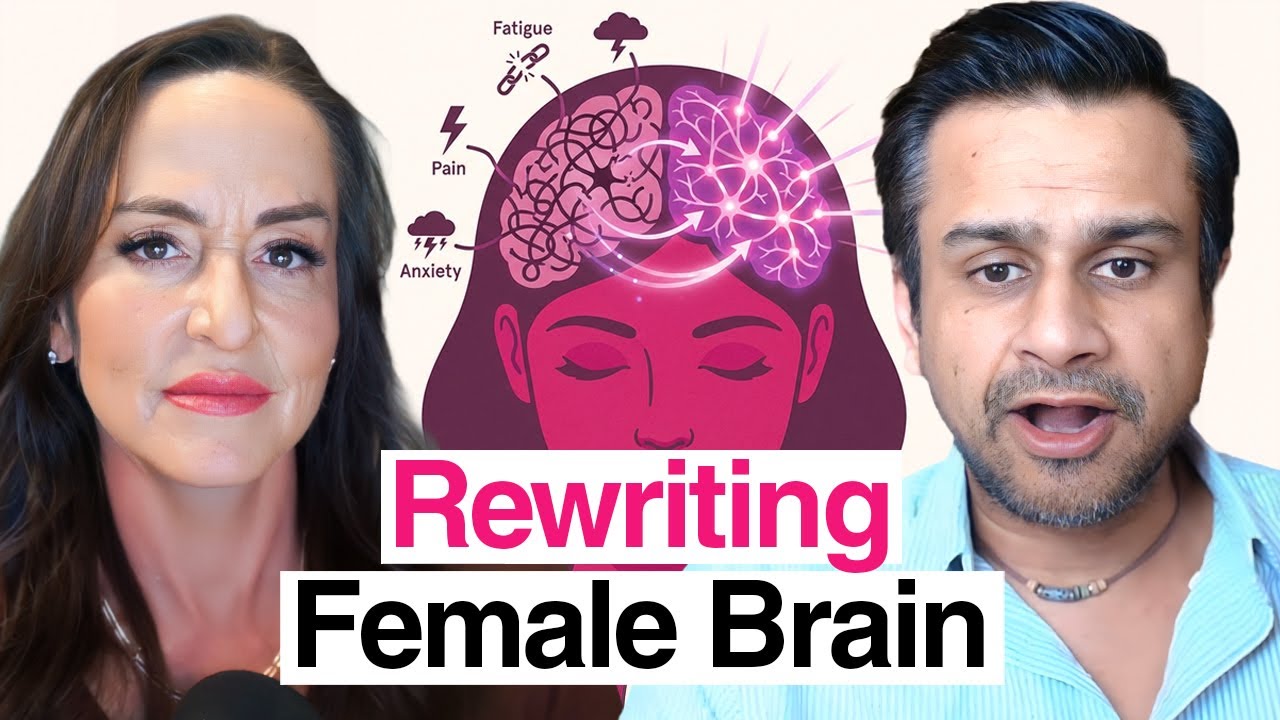
Modern medicine is beginning to recognize that many of the symptoms women experience during perimenopause and menopause—chronic fatigue, pain, anxiety, brain fog, and more—are deeply connected to how the brain, nervous system, and immune system communicate. In a recent episode of the Menopause Mastery Podcast, Dr. Betty Murray sat down with internationally recognized neuroplasticity and chronic illness expert Ashok Gupta to explore how “brain retraining” can be used to relieve these symptoms and help women thrive during this pivotal stage of life.
Let’s dig into the science behind this approach, why symptoms like anxiety and exhaustion are becoming more common, and real steps you can take to change your brain and your life.
Why Are So Many Women Experiencing Chronic Fatigue, Pain, and Anxiety?
Women going through perimenopause are reporting more chronic illness symptoms than ever. According to Ashok Gupta, conditions like chronic fatigue syndrome, fibromyalgia, long COVID, mast cell activation, chemical sensitivities, mold illness, and autonomic disorders such as anxiety and burnout now affect millions. Women in the 35 to 60 age range are especially vulnerable (Ashok Gupta estimates that 80-85% of the people with these conditions are women).
Why is this happening? Our brains—and the rest of our bodies—simply weren’t designed for the level of stress, toxins, and lifestyle changes modern life throws at us. As Ashok Gupta explains, “The system now thinks it’s under threat more often than it needs to be,” leading to a constant overdrive of the nervous and immune systems. This effect is magnified during perimenopause, when natural hormone fluctuations can make the brain and body even more sensitive to stress.
The “Neuroimmune Conditioned Syndrome” — A Systems Biology View
To better understand what’s happening, Ashok Gupta urges us to consider a systems biology perspective—he calls the root of these interconnected illnesses “neuroimmune conditioned syndrome.” This means:
- Neuro: The brain and nervous system are involved, shaping how we react to the world.
- Immune: The immune system is overactive or dysregulated.
- Conditioned: These reactions are often learned or “conditioned” in the brain, especially through chronic stress or trauma.
- Syndrome: There’s a unique cluster of symptoms, including poor sleep, pain, fatigue, cognitive problems, and more.
The crossover with perimenopause is profound: the hormonal shifts (especially estrogen fluctuations) “sensitize” the nervous system so that it becomes overly reactive to perceived threats. Even small triggers—such as minor infections, environmental toxins, or emotional stress—can set off a cascade of symptoms.
How Trauma, Stress, and Hormonal Fluctuations Set the Stage
Research now shows that past trauma, chronic stress, and even our childhood environment can “set” the sensitivity dials on our stress response systems. Ashok Gupta describes this as a type of “survival programming” deep in the brain, especially in areas like the amygdala and insula—the same centers that regulate fear and resilience.
When perimenopause arrives, it acts as a “drought in the kingdom,” making your whole system feel more vulnerable. Hormone loss, especially estrogen, affects everything from immune balance to brain energy production. It’s no surprise that brain fog, mood swings, and immune symptoms peak during this time. As Dr. Betty Murray notes, “the idea that we have this sort of wild fluctuation, and it’s not affecting immune system and inflammatory response, is just… obviously, it’s affecting it.”
Neuroplasticity: Training Your Brain for Healing
The traditional view was that your brain’s pathways and responses were fixed in adulthood. But the science of neuroplasticity turns this belief on its head. As Ashok Gupta explains, “We are not a slave to our genes, we’re not a slave to our past, we’re not a slave to our personalities… we can shift and rewire the brain in order to heal ourselves from mental, physical, and emotional conditions and vulnerabilities.”
Brain retraining uses the power of repetitive, intentional exercises to create new neural pathways—replacing old stress and threat responses with healthier, calmer patterns. This is not the same as “thinking positive thoughts.” Instead, it’s akin to learning a new language or driving—the brain changes through repeated practice.
For women navigating perimenopause, this means you can literally train your nervous and immune systems to calm down, reduce overreactivity, and restore a sense of safety and homeostasis—even when your hormones are in flux.
Real-World Results: Evidence for Brain Retraining
Skeptical? Ashok Gupta and his team have now published seven clinical studies, including randomized controlled trials. In one dramatic study, his Gupta Program was shown to be six times more effective than Lyrica (pregabalin)—a leading drug for fibromyalgia—at reducing symptoms after just three months.
These results aren’t limited to chronic fatigue or pain. Brain retraining is now being investigated for long COVID, anxiety, and even perimenopausal symptoms in a groundbreaking new study (Dr. Betty Murray and her clinic are involved as researchers).
The Tools: What Does Brain Retraining Actually Look Like?
So how do you “retrain” your brain? The specifics vary, but a comprehensive program includes:
- Daily repetition: Consistency is key—just like physical therapy for the body, brain therapy needs practice.
- Guided exercises: Specialized mind-body techniques target the amygdala and insular retraining.
- Community support: Healing alongside others can vastly increase accountability and results.
- Lifestyle integration: Optimized sleep, nutrition, and stress reduction amplify the effects of retraining.
As Ashok Gupta emphasizes, healing is not a DIY project—joining a supportive group can be the game changer.
Why a Holistic, Systems Approach Is the Future
No one is suggesting that medication or hormone replacement aren’t helpful—far from it. But if you’re only focusing on hormones or symptoms, you’re missing the bigger picture. Integrative clinicians like Dr. Betty Murray now combine brain retraining with hormonal therapy, supplements, diet, and movement to treat the “whole person” instead of isolated problems.
The message is clear: you can’t just “drug the system” and hope for vitality. As we move forward, brain retraining and systems biology will be at the forefront of women’s health and longevity.
Taking the Next Step: Empower Your Journey Through Perimenopause
Whether you’re struggling with unexplained pain, burnout, or simply want greater resilience, know this—change is possible. “You are not broken; your brain is doing the best it can to keep you safe,” says Ashok Gupta. When you support your nervous and immune system, you unlock a deeper healing potential, not just through perimenopause but for years to come.
Ready to try brain retraining or learn more about the upcoming clinical studies? Visit the Gupta Program or connect with your functional medicine provider to see how you can support your own journey—body, mind, and brain—through perimenopause and beyond.
Remember, this is not just the passage into a new chapter of life. With the right tools and a holistic approach, it’s a chance to reclaim your energy, clarity, and joy.